
Delving into the realm of auto policy quotes, this article sheds light on the intricacies of coverage, from liability to collision. Get ready for a journey of understanding and insight.
As we navigate through the nuances of auto insurance, we unravel the significance of various types of coverage and how they impact policy quotes.
Overview of Auto Policy Quotes
Understanding auto policy quotes is crucial for anyone looking to insure their vehicle. These quotes provide valuable information about the coverage options available and the associated costs. By comprehending the key components of an auto policy quote, individuals can make informed decisions that meet their specific needs and budget.
Key Components of an Auto Policy Quote
- Liability Coverage: This component protects the policyholder in case they are responsible for causing injuries or property damage to others in an accident.
- Collision Coverage: This coverage helps pay for repairs or replacement of the insured vehicle in the event of a collision with another vehicle or object.
- Comprehensive Coverage: Comprehensive coverage provides protection against non-collision incidents such as theft, vandalism, or natural disasters.
- Uninsured/Underinsured Motorist Coverage: This coverage safeguards the policyholder in case they are involved in an accident with a driver who has insufficient or no insurance.
Examples of Different Types of Coverage Included in Auto Policy Quotes
- Medical Payments Coverage: This coverage helps pay for medical expenses for the policyholder and passengers injured in an accident, regardless of fault.
- Rental Reimbursement Coverage: In the event of a covered claim, this coverage assists in paying for a rental car while the insured vehicle is being repaired.
- Towing and Labor Coverage: This component covers the costs associated with towing and labor services needed due to a breakdown or accident.
Liability Coverage
Liability coverage in auto insurance is a crucial component that protects drivers financially in case they are responsible for causing injury or damage to others while driving.
Types of Liability Coverage
- Bodily Injury Liability: Covers medical expenses, pain and suffering, lost wages, and other damages for individuals injured in an accident you are at fault for.
- Property Damage Liability: Pays for repairs or replacement of property that you damage in an at-fault accident, such as another vehicle, a fence, or a building.
Importance of Liability Coverage
Liability coverage is essential for drivers as it helps protect their assets and savings in the event of a lawsuit resulting from an accident they cause. Without liability coverage, drivers could face significant financial burdens and legal consequences.
Collision Coverage
Collision coverage is a type of auto insurance that helps pay for repairs or replacement of your vehicle if it's damaged in a collision with another vehicle or object, regardless of fault.
Examples of Situations Benefiting from Collision Coverage
- Accidents where you collide with another vehicle.
- Crashing into a stationary object like a tree or a pole.
- Rollover accidents where your vehicle flips over.
How Collision Coverage Affects Auto Policy Quotes
Collision coverage tends to increase the cost of auto policy quotes due to the higher likelihood of filing a claim for damages resulting from collisions. Insurance companies factor in the increased risk associated with collisions when determining the premium for this coverage.
Comprehensive Coverage
Comprehensive coverage is an important component of auto insurance that provides protection against a wide range of non-collision related damages to your vehicle. This coverage is designed to help you repair or replace your car if it is damaged by events such as theft, vandalism, fire, natural disasters, or hitting an animal.
Comparison with Other Types of Coverage
Comprehensive coverage differs from other types of coverage like liability and collision in that it specifically covers damages that are not caused by collisions with other vehicles. While liability insurance covers damages to other people's property and bodily injuries, and collision coverage helps repair or replace your own vehicle after a collision, comprehensive coverage steps in for incidents beyond your control.
- Comprehensive coverage can protect your vehicle from theft, vandalism, fire, and natural disasters, while collision coverage focuses on damages from collisions with other vehicles.
- Unlike liability coverage, which is required by law in most states, comprehensive coverage is typically optional but highly recommended for comprehensive protection.
- Comprehensive coverage often has a deductible, which is the amount you pay out of pocket before your insurance kicks in to cover the rest of the damages.
Common Scenarios for Comprehensive Coverage
Comprehensive coverage comes into play in various situations where your vehicle is damaged by factors other than a collision. Some common scenarios where comprehensive coverage proves to be valuable include:
- Your car is stolen and not recovered.
- Your vehicle is damaged by a natural disaster like a flood, hurricane, or earthquake.
- Your car sustains damage from falling objects like trees or debris.
- Your vehicle is vandalized with spray paint, key scratches, or broken windows.
Factors Affecting Auto Policy Quotes
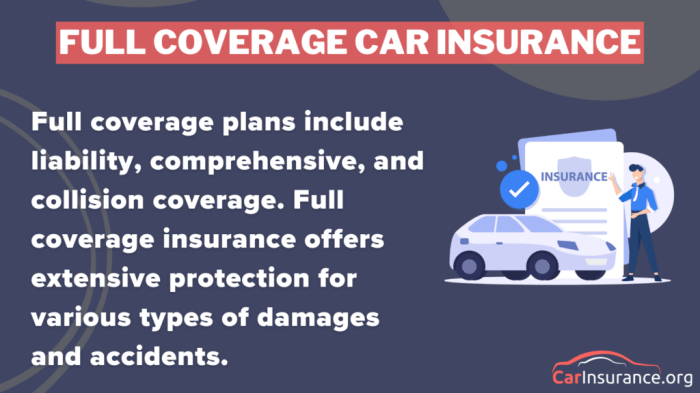
When it comes to determining the cost of auto policy quotes, several factors come into play. These factors can significantly impact the final price you pay for your insurance coverage. Understanding these influences can help you make informed decisions when selecting an auto insurance policy.
Driving History
Your driving history is a crucial factor that insurance companies consider when calculating your auto policy quotes. If you have a clean driving record with no accidents or traffic violations, you are likely to receive lower quotes. On the other hand, if you have a history of accidents or moving violations, insurance companies may consider you a higher risk driver, leading to higher premiums.
Type of Vehicle
The type of vehicle you drive also plays a significant role in determining your auto policy quotes. Insurance companies take into account factors such as the make and model of your car, its age, safety features, and likelihood of theft.
Generally, newer and more expensive vehicles will result in higher insurance premiums compared to older, more affordable cars. Additionally, vehicles with advanced safety features may qualify for discounts on insurance premiums.
Last Point
In conclusion, from liability to collision, grasping the details of auto policy quotes is crucial for every driver. This discussion serves as a guide to help you make informed decisions about your coverage needs.
FAQ Compilation
What factors influence the cost of auto policy quotes?
Factors such as driving history, type of vehicle, and coverage options play a significant role in determining the cost of auto policy quotes.
Why is liability coverage essential for drivers?
Liability coverage protects drivers financially in case they are responsible for injuries or damages to others in an accident.
How does collision coverage affect auto policy quotes?
Coverage for collisions can impact policy quotes based on the level of protection it offers for your vehicle in case of an accident.

