
Exploring the reasons behind why individuals opt for black interior cars can unveil intriguing insights into human behavior and design preferences. From the allure of sophistication to the impact on resale value, the psychology behind this choice is multifaceted and worth delving into.
As we delve deeper into the realm of car interiors, the influence of color on our emotions, perceptions, and even practical considerations becomes increasingly evident.
Importance of Interior Color Choice in Cars
When it comes to choosing the interior color of a car, the decision goes beyond mere aesthetics. The color of the interior can have a significant impact on the overall driving experience, influencing the mood and perception of both the driver and passengers.
Impact on Driving Experience
The interior color of a car can affect the driving experience in various ways. For example, a dark interior color like black can create a sense of luxury and sophistication, making the driver feel more empowered and in control behind the wheel.
On the other hand, a light interior color like beige or cream can create a more open and airy feeling, contributing to a sense of relaxation and comfort during long drives.
Influence on Mood and Perception
The choice of interior color can also impact the mood and perception of the driver and passengers. Warm colors like red or orange can create a sense of energy and excitement, while cooler colors like blue or green can evoke feelings of calmness and serenity.
These psychological effects can influence the overall atmosphere inside the car and enhance the driving experience.
Resale Value Considerations
Interestingly, the interior color of a car can also play a role in its resale value. While neutral colors like black, grey, and beige are generally considered safe choices that appeal to a wide range of buyers, bold and unconventional colors may limit the pool of potential buyers and affect the resale value negatively.
Therefore, choosing a classic and timeless interior color can help maintain the value of the car over time.
Psychological Effects of Black Interiors
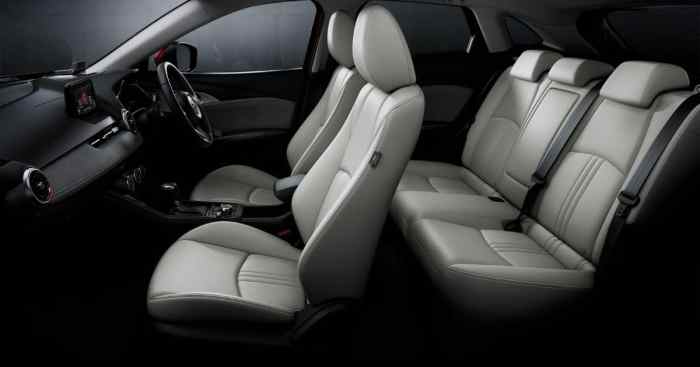
Black interiors in cars have a unique ability to evoke feelings of sophistication and luxury. The color black is often associated with elegance and timelessness, making it a popular choice for those seeking a sleek and upscale look in their vehicles.
Creating a Sense of Sophistication and Luxury
Black interiors have a way of instantly elevating the perceived value of a car. The dark, rich color exudes a sense of sophistication that can make the interior feel more luxurious and high-end. This can have a psychological impact on both the driver and passengers, creating a sense of pride and prestige associated with the vehicle.
Comparing with Other Color Options
When compared to other color options for car interiors, black stands out for its ability to convey a sense of elegance and class. While brighter colors may feel more vibrant and energetic, black interiors have a calming effect that can promote focus and concentration while driving.
This can lead to a more composed and confident driving experience, as the sleek black interior creates a sense of timelessness and refinement.
Factors Influencing the Choice of a Black Interior
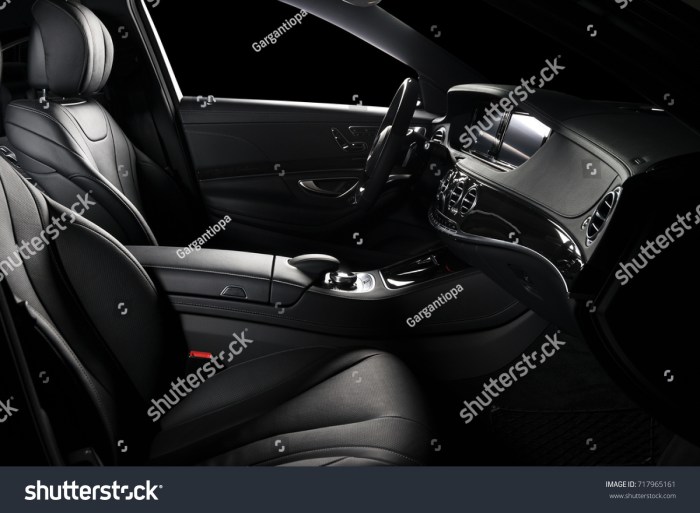
When it comes to choosing a black interior for a car, various factors come into play. These factors can range from cultural influences to personal preferences and even marketing strategies. Let's delve deeper into what influences individuals to prefer black interiors.
Cultural Influences
In many cultures, black is often associated with sophistication, elegance, and luxury. This cultural perception can lead individuals to gravitate towards black interiors when selecting a car. The idea of prestige and status linked to the color black can significantly impact the choice of interior color.
Personal Preferences, Lifestyle, and Demographic Factors
Personal preferences play a crucial role in the decision-making process of choosing a black interior for a car. Some individuals may simply prefer the sleek and modern look that black interiors offer. Lifestyle factors, such as the need for a low-maintenance interior or the desire for a color that hides dirt and wear well, can also influence the choice of black.Demographic factors, such as age and gender, can also play a part in the preference for black interiors.
Younger generations may lean towards black for its contemporary appeal, while older individuals may associate black with timeless elegance. Gender stereotypes may also impact color choices, with black often being seen as a masculine color choice.
Role of Marketing and Societal Trends
Marketing strategies employed by car manufacturers and societal trends can heavily influence the popularity of black as an interior color choice. Through advertising and branding, companies can create a perception of black interiors as stylish and sophisticated, leading to an increase in demand.
Additionally, societal trends towards minimalism and modern aesthetics can drive the preference for black interiors, aligning with the current design trends in the automotive industry.
Practical Considerations for Black Interior Cars
When it comes to owning a car with a black interior, there are several practical considerations to keep in mind to ensure the longevity and comfort of your vehicle.
Maintaining Cleanliness and Appearance
Black interiors can show dust, dirt, and stains more visibly compared to lighter-colored interiors. To maintain the cleanliness and appearance of your black interior car, consider the following tips:
- Regularly vacuum and wipe down surfaces with a microfiber cloth to remove dust and debris.
- Use interior cleaners specifically designed for black surfaces to prevent fading and maintain a sleek look.
- Avoid using harsh chemicals that could damage the upholstery or trim.
Impact on Climate Control
The color black absorbs more heat than lighter colors, which can result in a hotter interior during sunny days. To manage the impact on climate control inside your car:
- Use sunshades or window tinting to reduce the amount of sunlight entering the vehicle.
- Park in shaded areas whenever possible to minimize heat buildup.
- Consider using light-colored seat covers or accessories to help reflect heat away from the interior.
Visibility and Safety Aspects
Driving a car with a black interior can also have implications for visibility and safety on the road. Here are some insights to keep in mind:
- Black interiors may contribute to reduced visibility of objects or passengers inside the car, especially at night.
- Ensure that your interior lighting is sufficient and in proper working condition to enhance visibility during nighttime driving.
- Consider adding reflective elements or light-colored accents to improve visibility and safety for both the driver and passengers.
Wrap-Up
In conclusion, the choice of a black interior car goes beyond mere aesthetics—it reflects personal style, societal influences, and practicality. Understanding the psychology behind this decision can provide a deeper appreciation for the intricacies of color choices in the automotive world.
FAQ Resource
Why do black interiors convey a sense of luxury?
Black is often associated with sophistication and elegance, creating a luxurious feel in interior spaces.
Does the color of a car's interior impact its resale value?
Yes, certain interior colors like black are considered more timeless and can positively influence a car's resale value.
Are there specific maintenance tips for black interior cars?
Regular cleaning and conditioning are crucial to maintain the appearance of black interiors and prevent dust and stains from accumulating.

